
Building Permit Issues with New Construction Financing
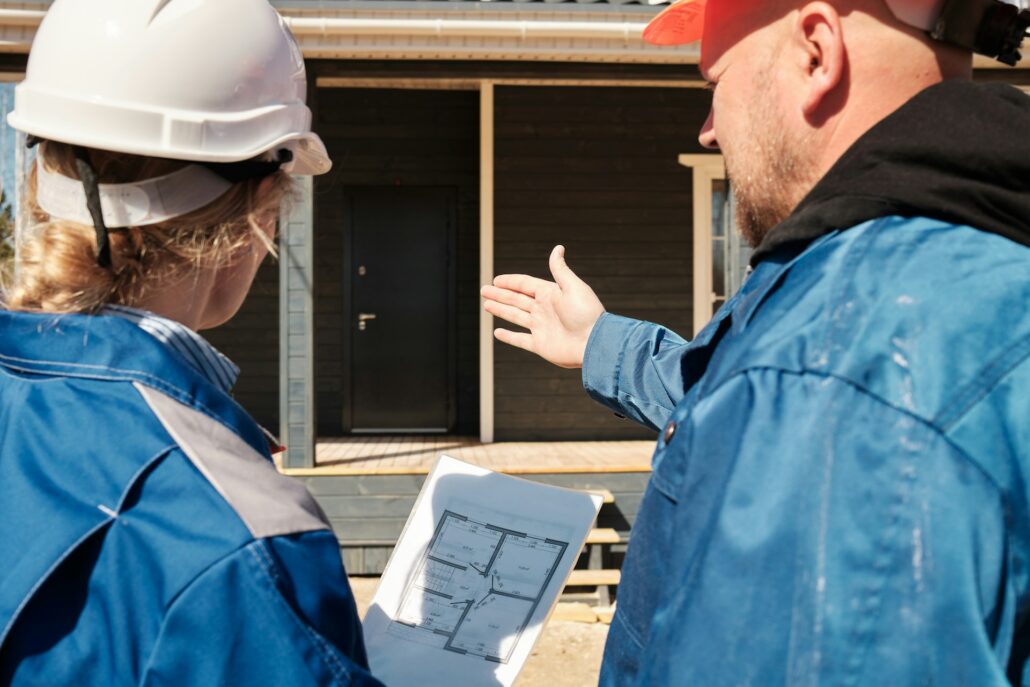
Building a new home is exciting, but it also comes with a lot of moving parts. Construction loans can help you finance the entire process, from land purchase through final build, but even before the first nail is hammered, you’ll need something just as important as funding — the right building permits. These permits play a big role in whether your project can move forward on time or hit preventable delays.
Whether you’re planning a custom build or working with a contractor, understanding how building permits tie into new construction financing can make a big difference. Ignoring permit requirements or mismanaging the process can cost you both time and money. That’s why it helps to unpack what permits are for, why they matter, and what problems might come up if something gets missed during the approval process.
What Are Building Permits And Why Do You Need Them?
Building permits are official documents issued by your city or county that give you the green light to start construction. This includes everything from digging the foundation to framing, electrical wiring, and even roofing. Permits exist to make sure a structure is built safely and to code. They help protect homeowners, future buyers, and even neighbors.
Different types of construction work require different kinds of permits. Some of the most common include:
1. Foundation and structural work permits
2. Electrical system permits
3. Plumbing permits
4. Mechanical permits, which often apply to HVAC components
5. Roofing or siding permits
6. Permits for changes to driveways, fencing, or decks
If these permits aren’t secured before work begins, the project can be shut down, and you may face fines or be required to undo completed work. This can create serious issues if you’re using a construction loan to fund the project. Lenders want your project to stay on schedule and within budget. Any hiccup in the process might impact not only the timeline but when and how the funds are released.
For example, imagine you start building your new home and forget to get a permit for the electrical work. If an inspector catches it later, you might have to tear open finished walls to show the wiring, then have it redone to meet code. That mistake doesn’t just cost more, it also delays the rest of your build. When permits are issued properly, you’re setting yourself up for fewer problems and inspections that match your schedule, which also helps keep your construction loan disbursement on track.
Common Building Permit Issues With New Construction Financing
Securing permits can sometimes be harder than expected. Even with an experienced contractor, you may run into problems that hold up progress or create stress. Knowing what some of these common issues are can help you avoid them.
Here are a few of the most frequent building permit challenges:
1. Delays in Permit Approval
In some cities, permit offices are backed up. Even if your application is complete, it might sit in line for weeks. This affects timelines and may create gaps in your draw schedule, which is the process lenders use to release funds in stages as construction moves forward.
2. Non-Compliance with Local Codes
Each city or county will have its own set of building codes. These codes can vary based on climate, geography, or planned home design. If your building plans don’t meet current standards, your permit may be denied or sent back for revisions. Getting updated architectural plans can take extra time and money.
3. Incomplete or Missing Documents
Permit applications usually need detailed plans, plot maps, zoning clearance, and ownership info. If anything’s missing, even one signature, the application could get rejected completely. That triggers delays right at the start of the project, which can in turn delay your construction loan being approved or released.
Sometimes it’s not just about a missing document. Small errors, like incorrect lot numbers or using outdated code references in blueprints, can flag problems during review and force resubmissions. Even honest mistakes can create frustrating slowdowns.
Understanding these obstacles early helps set clear expectations as you go into a construction project. The better prepared you are with permits, the more smoothly your funding and building timeline can run. Mistakes with paperwork or zoning may seem small at first, but they can quickly lead to larger issues if they aren’t corrected before construction starts.
How Building Permit Issues Can Affect Your Construction Loan
When permit problems pop up, they don’t just hold up the construction work. They can also shake up your financing. Construction loans are designed to be released in stages, often called draws, that follow along with progress on the build. Permits play a big part in making that process happen smoothly.
If there’s a delay in permit approval, lenders may freeze or push back draw releases. A stalled permit application can make your lender question whether the project is ready to move forward. That’s especially true for your first draw, which often covers groundwork like foundation and utility installation. Without the proper permits in place, funds may not be released at all.
Permit problems can also change your project costs. If code changes or compliance issues force last-minute design updates, you could see higher pricing for materials, labor, or engineering. And when one part of the budget shifts, it affects everything else. This might mean asking your lender for a budget revision, which usually involves another round of underwriting.
Delays from permits also carry over into construction timelines. Every missed deadline can lead to more carrying costs for interest, insurance, and temporary living expenses. When inspections are late or unexpected corrections are required, the entire project can feel like it’s stuck in slow motion.
Tips To Avoid Building Permit Problems From The Start
The best way to avoid costly delays is to start with a strong plan. Permit mistakes are usually avoidable when you’ve taken the time to check off the right steps in the beginning. Here’s how to stay ahead of the issues:
1. Work with experienced contractors and architects
Make sure your team knows the local permitting process. Builders with a strong track record in your area will be familiar with local codes and can help prepare the correct documents the first time.
2. Study the local building codes and zoning rules
Every city or county may have its own rules. If you’re planning something unique, like a rooftop deck or detached office space, double-check whether that’s allowed in your zone.
3. Have your paperwork complete and organized
Double-check your building plans, ownership documents, and any architectural drawings before you submit them. Even one missing signature or outdated code reference can send your application back for revision.
4. Schedule realistic timelines with permit wait times in mind
It helps to ask your contractor or designer how long permit offices typically take to respond. County sites or building departments often post wait times that can give you a rough idea. Plan your construction timeline with some flexibility.
Taking care of these details early sets your project up for fewer surprises down the road. If your permit application goes in strong from day one, you’re more likely to keep your construction loan moving right alongside your contractor’s schedule.
Working Through Permit Problems With Support That Knows Mortgages
Sometimes, even with great planning, things can still hit a bump. Maybe your architect missed a code update, or your builder’s timeline has changed due to inspection delays. Having someone who understands how these issues connect with your construction financing can make all the difference.
When you work with a lending partner who’s familiar with construction loans and the permit process, it’s easier to adjust as needed. That could include updating the draw schedule, adjusting documentation, or offering guidance on how to meet new building code requirements. The goal is to keep everything moving without tipping the budget or timeline too far off track.
No matter the size of the build, when you’re counting on loan funds to keep up with what’s happening on site, reliable support can help smooth out those permit-related twists and turns.
Achieving a Smooth Construction Process: Partner with Nexa Mortgage for Expert Support
Building a home should feel exciting, not exhausting. While permits might seem like just a formality, they can create real friction in your financing if they aren’t handled right. From delays to budget changes, small errors in the permitting process can snowball into much larger roadblocks that impact your loan and construction timeline.
Staying informed, working with professionals who know the local process, and gathering complete documents up front can help you avoid speed bumps that hold things up. The earlier you’re aware of what to expect, the more control you’ll have over your project. Treat the permitting process as part of your loan planning, and you’ll set yourself up for a more predictable and less stressful build.
For a successful and stress-free home build, aligning your financing with your project milestones is key. At Nexa Mortgage, we understand the ins and outs of ensuring your construction continues without a hitch. If you’re planning your dream house, see how our construction loans can support each phase of your project. With expert advice and tailored solutions, we aim to make your home-building journey as seamless as possible.